THE SAMPLE
Set aside all year
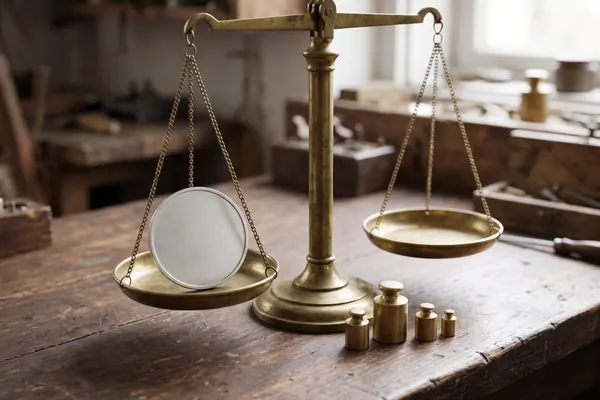
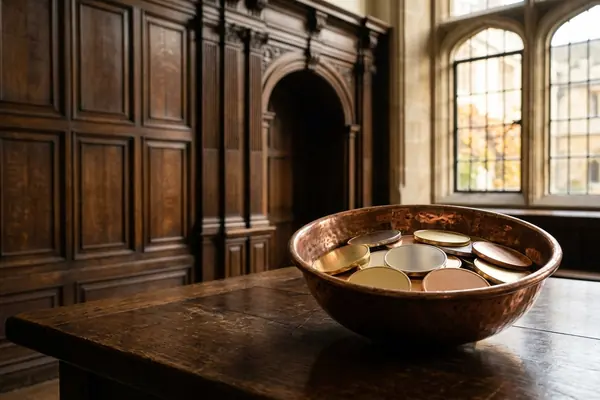
Coins are picked at random from each batch, sealed in bags of 50 and locked in pyx chests until the trial.
What is checked doodlecoins
00HOW COINS ARE CHECKED
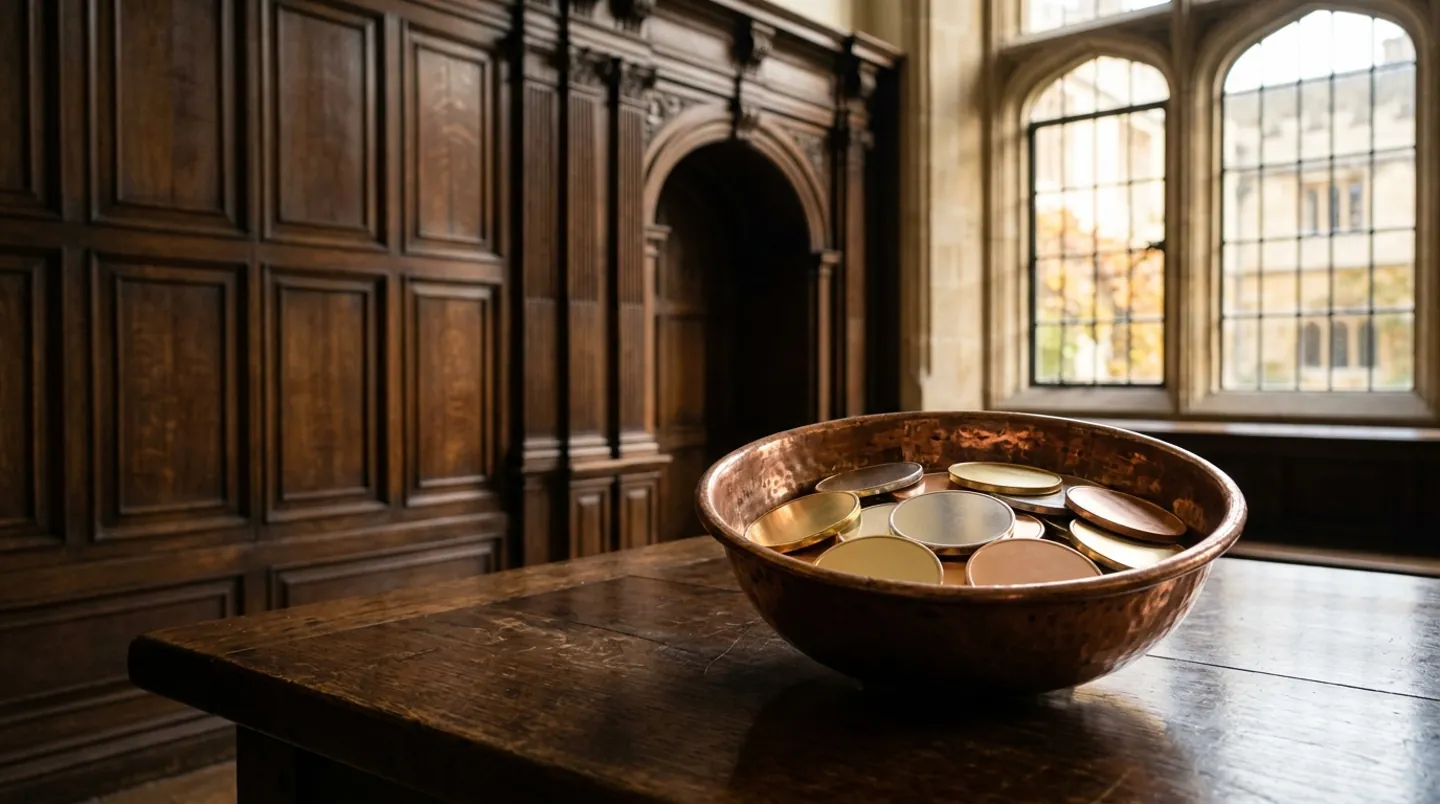
A jury still checks the nation's coins.
Since at least 1282, sample coins from the Mint have been set aside, sealed away and tested by an independent jury. The law still requires a trial at least once in every year in which coins are issued.
See what is checked01Principles
02THE SHORT ANSWER
The pyx is the box the sample coins are kept in.
The trial checks them against the law's standards.
THE SAMPLE
Coins are picked at random from each batch, sealed in bags of 50 and locked in pyx chests until the trial.
What is checkedTHE TESTS
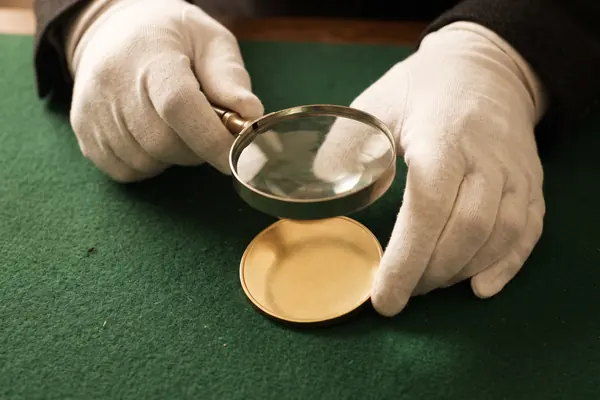
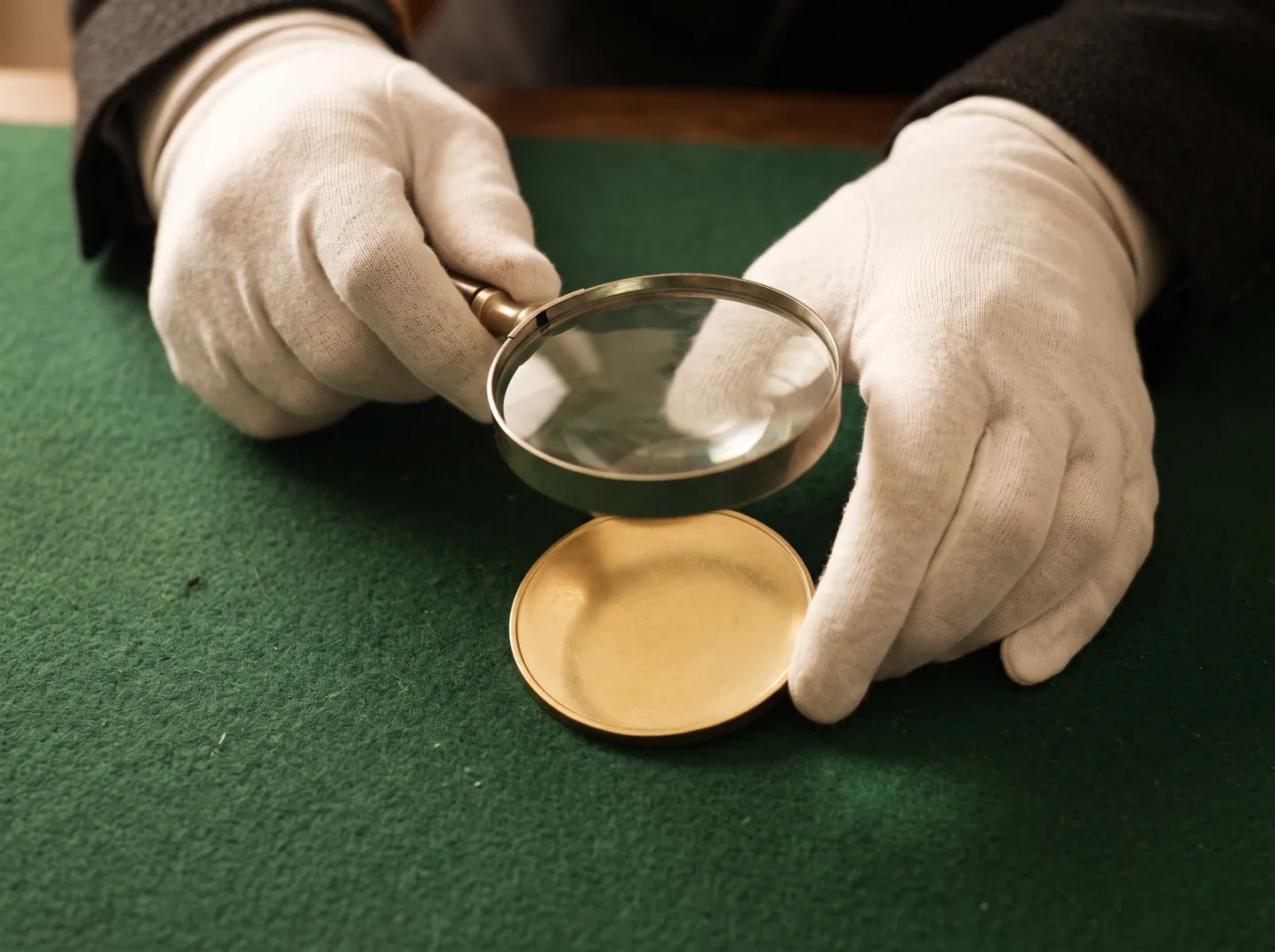
The jury weighs coins in bulk and one by one, measures diameters and has the metal assayed against standard trial plates.
How a trial runsTHE JURY
The jury of at least six comes from the Goldsmiths' Company of the City of London and is sworn in by the King's Remembrancer, a senior judge.
The law behind it03A QUICK TRIAL CHECK
Pick a stage of the trial to see what the jury does. The bar shows how much of the sample that stage covers, from a few chosen coins to every coin.
Based on the Royal Mint Museum's account of the Trial of the Pyx and the Coinage Act 1971.
04TWO NUMBERS WORTH KNOWING
One figure on how long the trial has run,
one on how strict weighing used to be.
1282
Coins checked at the trial since
The Royal Mint Museum says coins have been independently checked at the Trial of the Pyx since at least 1282. The Coinage Act 1971 still requires a trial at least once a year in which coins are issued.
HISTORY · ROYAL MINT MUSEUM
up to 40%
Rejected for wrong weight, some coins
With automatic balances sorting coins into light, heavy and correct, as much as 40% of some denominations could be rejected and sent back to be melted.
VICTORIAN WEIGHING · ROYAL MINT MUSEUM
Each Victorian automatic balance weighed no more than about 20 coins a minute, roughly 10,000 a day, so at its peak the weighing room held over 50 of them.
05HOW A TRIAL RUNS
The ceremony is old, but each step has a practical job: making sure the coins in your pocket are what the law says they should be.
Coins are randomly taken from each batch of every denomination, sealed in bags of 50 and kept in pyx chests.
Freemen of the Goldsmiths' Company are sworn in by the King's Remembrancer, who presides over the trial.
Coins are weighed, measured and their metal compared with standard trial plates, at the hall and then at the Assay Office.
Some two or three months later, the jury's verdict is delivered in the presence of the Master of the Mint or a deputy.
06THE LAW AND THE PLATES
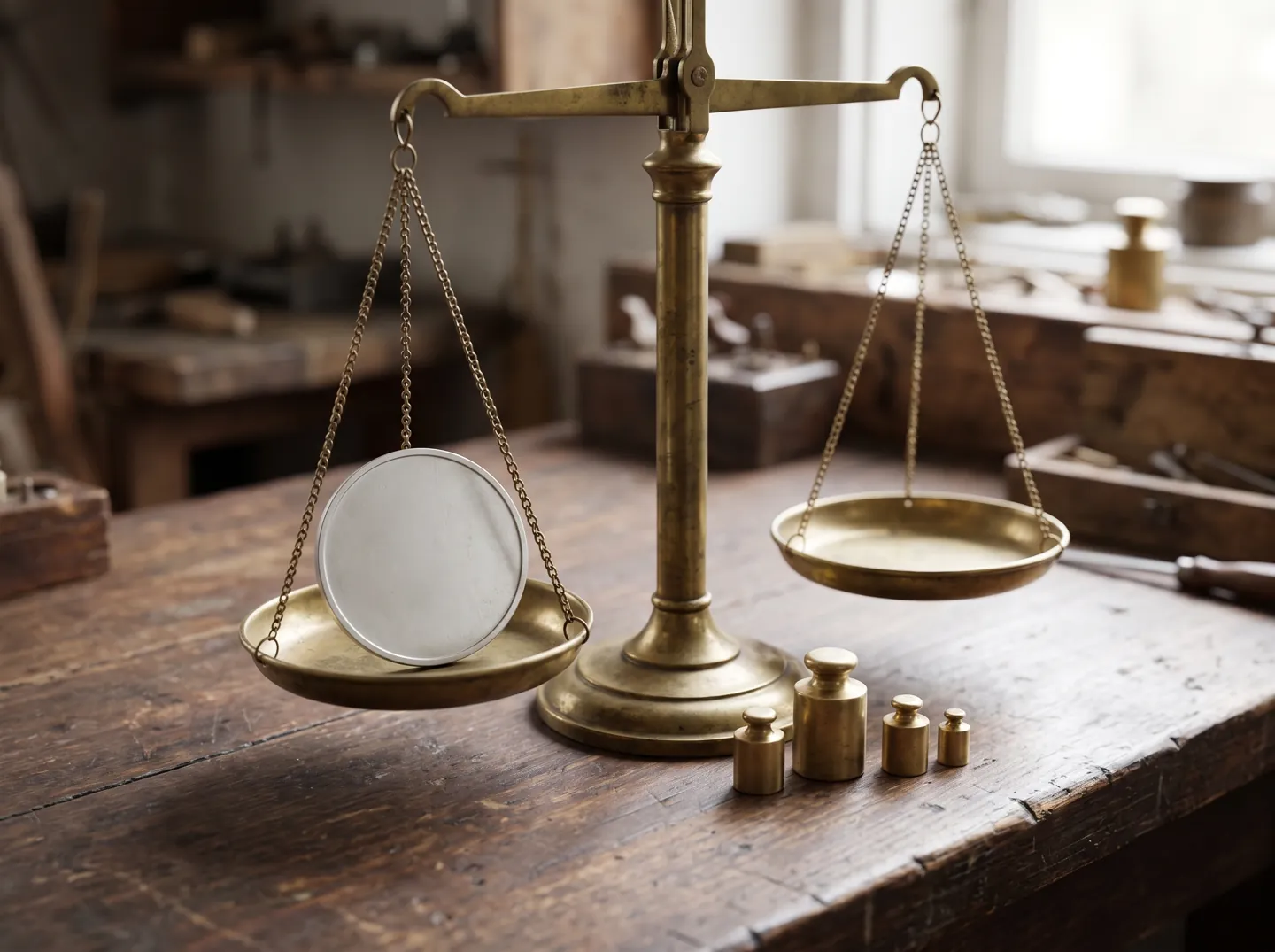
Under the Coinage Act 1971, coins must be of the weight, composition and dimensions the law or a royal proclamation sets, with a small allowed variation called the remedy.
The yardsticks for metal are trial plates: approved gold and silver standards, with a series from 1477 at the Royal Mint Museum. One from Henry VIII's debasement is under 800 fine, well below sterling's 925.
07Questions
It comes from the Latin pyxis, meaning a small box. In the trial it refers to the chests that hold the sample coins until they are tested.
Yes. Section 8 of the Coinage Act 1971 says a trial of the pyx shall be held at least once in every year in which coins have been issued from the Mint.
The Act calls for a jury of not less than six competent freemen of the goldsmiths of the City of London or other competent persons. In practice the Goldsmiths' Company provides the jury.
It is the small variation from the standard weight, fineness, composition or dimensions that the law allows when coins are made.
Before the 1850s, workers called sizers weighed gold and silver coins one by one, sending light ones to be re-melted and filing down heavy ones. Automatic balances then took over.
08Sources
ABOUT THIS NAME
doodlecoins.com is part of the DoodleSale portfolio. It isn't in an auction right now, but you can ask about leasing it.